
What Is a Builder’s Warranty, and What Does It Cover?
Building a custom home in Asheville can be a huge investment. Naturally, one of the first questions homeowners ask is what happens if something goes wrong after they move in. That is exactly what a builder’s warranty is for. It is the written promise that stands behind the work, spelling out what your builder will fix, for how long, and under what conditions.
Below, we walk through what a builder’s warranty is, what it typically covers across the industry, and how our own warranty at Assembly works so you know exactly what to expect.
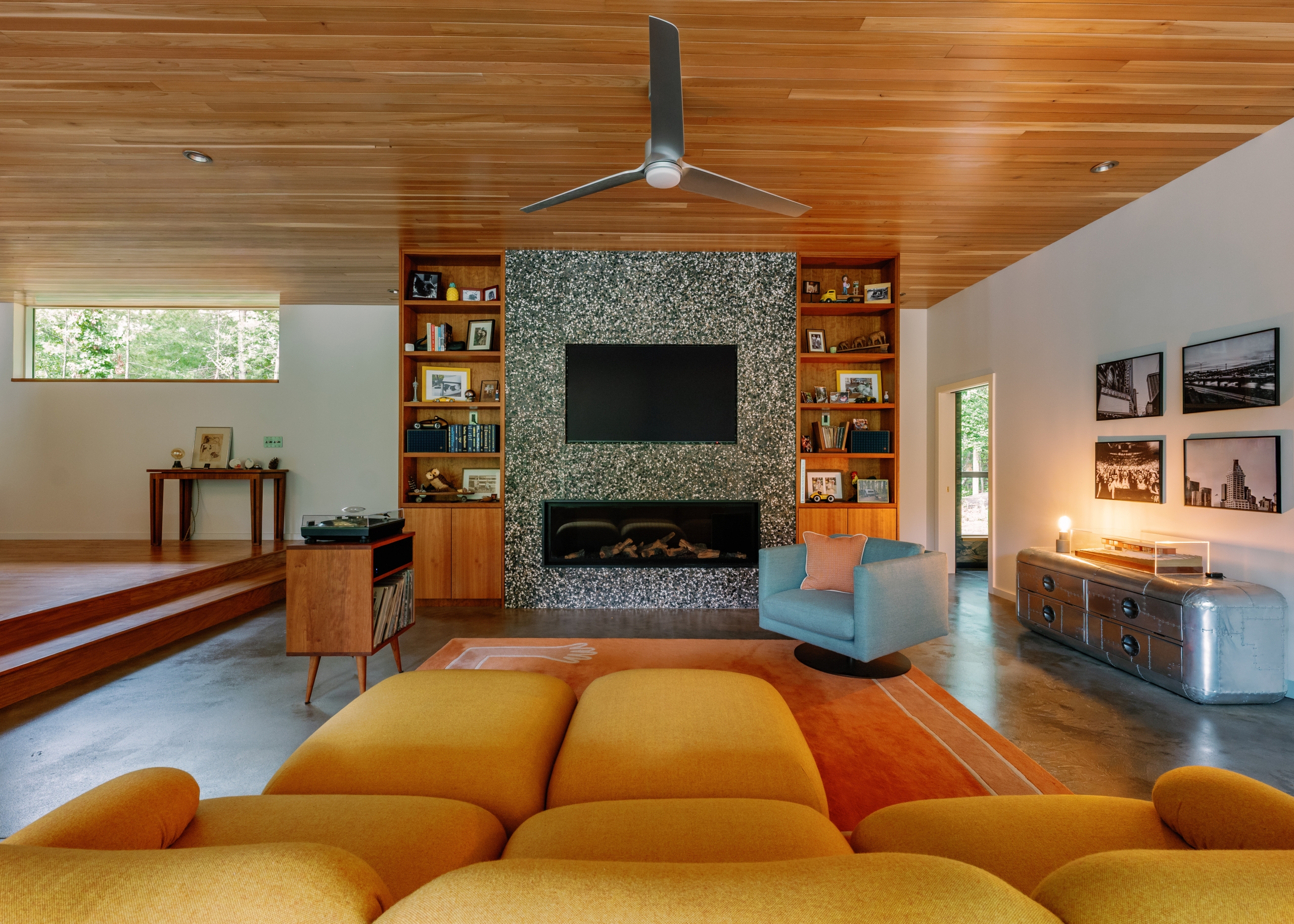
See more images of this home in our portfolio
What Is a Builder’s Warranty?
A builder’s warranty (sometimes called a new home warranty or workmanship warranty) is a guarantee from your builder that the home was constructed to a defined standard and that certain defects will be corrected within a set period of time. It gives you a clear, documented path for raising an issue rather than leaving you to negotiate case by case.
Most builder’s warranties fall into two broad categories:
Express warranties are the specific, written promises stated in your contract. They define what is covered, the length of coverage, and the process for making a claim. Because they are spelled out on paper, they tend to be the most reliable part of your protection.
Implied warranties are protections that many states apply automatically, even when they are not written down. The most common is the implied warranty of habitability, which generally means the home must be safe, sound, and fit to live in. North Carolina courts, for example, have long recognized an implied warranty of habitability in the sale of newly constructed homes. It is worth noting that many builders limit or disclaim implied warranties in favor of a clearly written express warranty, which is a common and legitimate practice as long as it is disclosed in the contract.

See more images of this home in our portfolio
What a Typical Builder’s Warranty Covers
Across the residential construction industry, many builder’s warranties follow a tiered structure often described as a “1-2-10” warranty. The exact terms vary widely from builder to builder, but the general shape looks like this:
Year one: workmanship and materials. This first year usually covers the finish-level and cosmetic items you interact with every day, such as drywall, paint, trim, cabinetry, flooring, and fixtures. If something was not installed correctly or the materials fall short of the agreed standard, this is the window to address it.
Years one and two: mechanical systems. Some warranties extend coverage on the home’s core systems, including plumbing, electrical, heating, and cooling, typically for up to two years.
Up to ten years: major structural elements. Longer-term coverage, when offered, focuses on serious structural defects that affect load-bearing components and the safety of the home, such as foundation footings, load-bearing walls, and roof framing systems.
For homes on the sloped, mountainous sites common across Western North Carolina, this kind of longer-term structural coverage can carry particular weight, though the specifics always come down to the individual contract.
Keep in mind that this 1-2-10 model is a general industry reference point, not a universal rule. Coverage lengths, what qualifies as a defect, and the claims process all depend on the individual builder and contract. Always read the actual warranty terms rather than assuming a standard applies.
What a Builder’s Warranty Usually Does Not Cover
Just as important as knowing what is covered is understanding what is not. A builder’s warranty is designed to cover defects in the builder’s own work, not everything that can happen to a home. Common exclusions across the industry include:
- Work performed or materials supplied by someone other than the builder
- Normal wear and tear, and the natural aging of materials over time
- Damage from severe weather, flooding, fire, or other casualty events
- Soil movement, settling, and site conditions outside the builder’s control
- Damage caused by improper use, neglect, or deferred maintenance by the homeowner
- Insects, rodents, mold, and similar biological or environmental conditions
- Cosmetic movement such as minor drywall or concrete cracks that do not cause structural damage
- Manufacturer-covered items, which are handled through their own separate warranties
Builder’s Warranty vs. Home Insurance vs. Manufacturer Warranties
These three protections are often confused, so it helps to keep them straight.
A builder’s warranty covers defects in the construction itself, meaning problems that trace back to how the home was built. A homeowner’s insurance policy covers sudden losses and damage from events like fire, storms, and theft, which is a different category of risk entirely. Manufacturer warranties cover specific products installed in the home, such as the roof, windows, appliances, and HVAC equipment, and are provided by the companies that make those products.
In many cases, the builder assigns the manufacturer warranties to you at closing, so you can file directly with the maker of a given product. These manufacturer warranties often run well beyond the first year, which means individual components in your home may carry longer protection than the builder’s workmanship coverage itself.
Assembly AB’s Warranty
As an Asheville design-build firm, we want our warranty to be as clear and specific as the homes we build, so you always know where you stand. Here is how it works.
What we warrant. We warrant that the work was performed in conformity with the applicable building codes, with new and good quality materials (unless otherwise specified), and in conformity with the Residential Construction Performance Guidelines for Professional Builders and Remodelers, Fifth Edition, a widely used industry standard. Together, these define the standard your home is measured against.
How long coverage lasts. Our warranty period runs for one year, beginning on the earlier of the date a Temporary Certificate of Occupancy or a Certificate of Occupancy is issued for your home.
Product warranties are yours. All product warranties, where they exist, are assigned from us to you as the owner. As noted above, many of these manufacturer warranties (for items like roofing, windows, and mechanical equipment) extend well beyond that first year, giving you longer coverage on those specific components.
Who the warranty protects. The warranty runs exclusively to you as the original owner and is not transferable. It ends automatically if the home is sold, transferred, or otherwise conveyed to another party.
How to make a claim. If you discover a warranty item within the warranty period, you provide us written notice within fifteen days of discovering it. We are then given the opportunity to inspect the item and to either repair it or pay you the reasonable cost of repair or replacement. To keep your coverage intact, it is important to give us that written notice and the chance to inspect before arranging any outside repairs.
What is excluded. Like most builder’s warranties, ours does not cover issues that fall outside our own work. Exclusions include work or materials provided by others, improper use or maintenance, soil and site conditions, normal wear and weather exposure, severe weather and casualty events, damage from animals or insects, non-residential use, delayed reporting, and cosmetic or non-structural conditions that do not cause actual physical damage to the home.
The full terms, including the complete list of exclusions and the notice requirements, are laid out in your warranty documents, and we are always glad to walk through them with you.
Why a Clear Warranty Matters
A warranty is more than fine print. It reflects how a builder thinks about accountability and the relationship that continues after the keys are handed over. A well-written warranty protects you by defining coverage plainly, and it protects the working relationship by setting fair expectations on both sides.
If you are planning a custom home in Asheville or the surrounding Western North Carolina area and want to understand exactly how your home will be built, backed, and supported after move-in, we would love to talk. Reach out to the Assembly team to start the conversation.

Ross Smith is both a licensed architect and contractor and founder of ASSEMBLY Architecture + Build. Ross received his degree in architecture from Yale University where he graduated with an award in design excellence. He now designs and builds sustainable, unique custom homes in Asheville, NC.

