
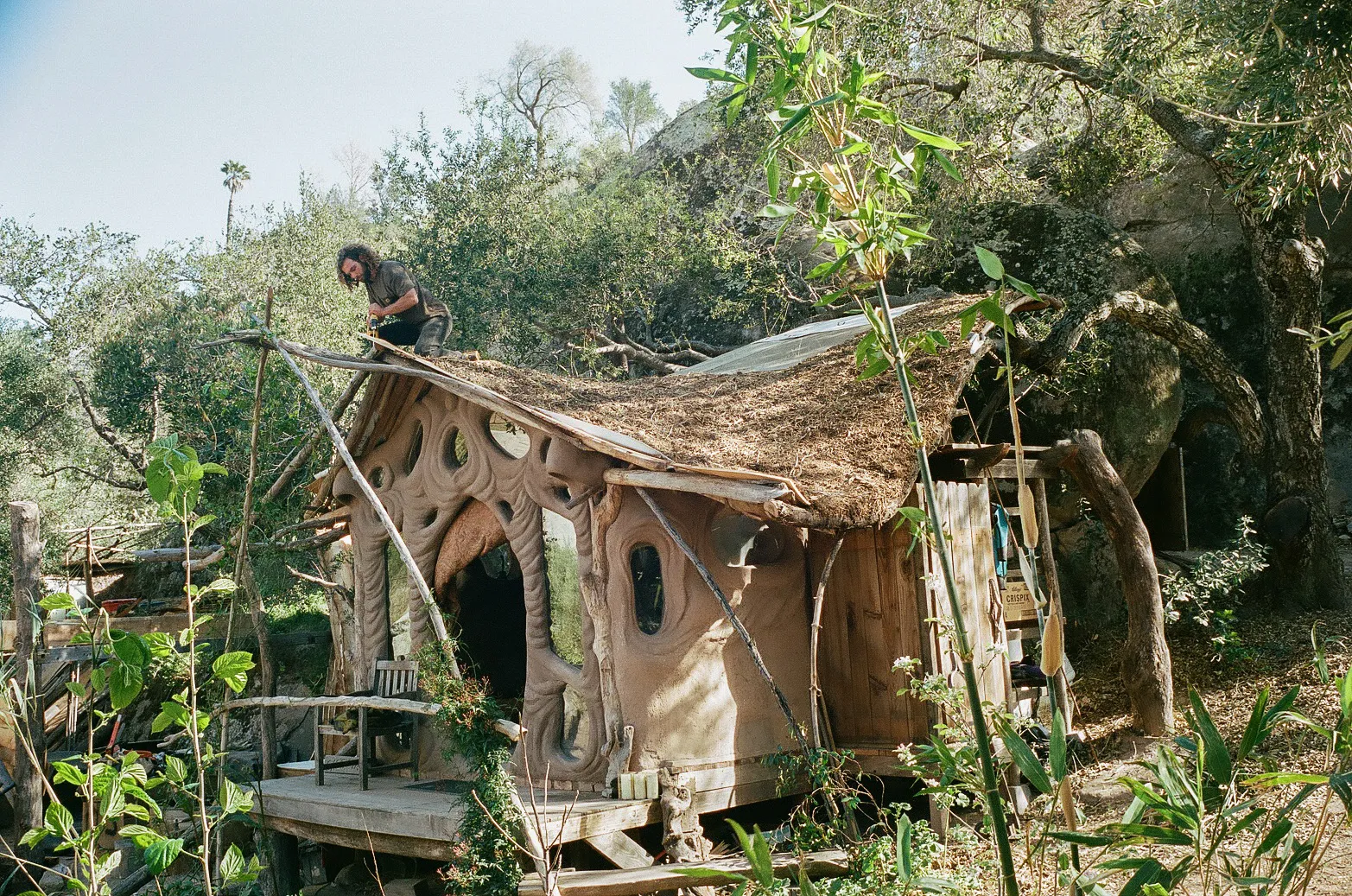
Natural Building and Cob in Asheville, NC
Cob is one of the oldest building materials on earth. It is also one of the most misunderstood. At Assembly AB, we believe in natural building methods. While we don’t use cob to build our homes, It’s an interesting material on the rise world wide- even in places like Black Mountain and Asheville, and here is why.
What Is Cob, Exactly?
Cob is a mixture of subsoil clay, sand, and straw, combined with water and worked into a building material that is formed directly by hand. No forms, no molds, no bricks. Walls are built up in lifts, layer by layer, until the structure takes shape organically.
The result is thick, sculptural, and deeply thermal. Cob walls store heat during the day and release it slowly at night, making them naturally well-suited to climates with significant temperature swings. While cob is common in dry areas like Nubia in Egypt, people have found ways to adapt it to the humid climate of Asheville and Black Mountain.
Finished cob walls can be plastered smooth or left with their natural texture. They breathe. They regulate humidity. And unlike most conventional building materials, they will return to the earth when their useful life is done.
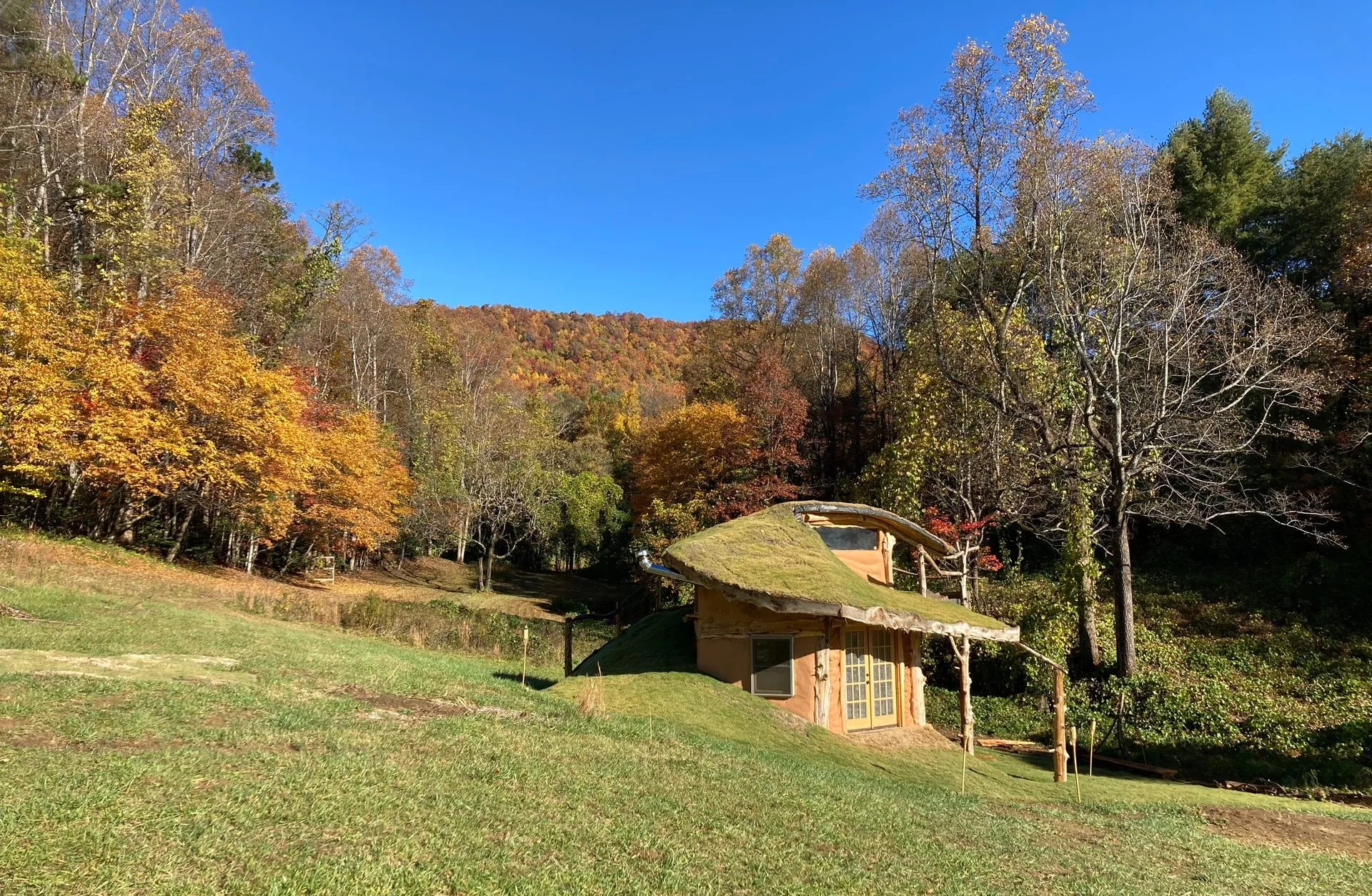
A wattle and daub home built in WNC by Sage Stoneman
Natural Building and Cob in Asheville: EarthHaven Ecovillage and the Living Tradition
Asheville and the surrounding region have been quietly building with cob and other natural materials for decades. The most visible example is EarthHaven Ecovillage, located in the Black Mountain area of Buncombe County.
EarthHaven was founded in 1994 as an intentional community dedicated to sustainable, earth-based living. Across its forested land, residents have built their homes with cob, straw bale, timber frame, and living roofs, often combining techniques within a single structure. The buildings at EarthHaven have been lived in, tested by weather, and refined over thirty years of mountain seasons.
Wattle And Daub
Beyond EarthHaven, the broader Asheville region has a strong network of natural builders, workshops, and practitioners who have been teaching and refining cob techniques for years. One of these people is Sage Stoneman, who works with a combination of materials, adapted to the climate of Asheville. First he creates a timber frame, and then infills them using Wattle and Daub. This method uses woven lattice sticks, combined with clay, straw, and soil to create insulating walls that often take organic forms.
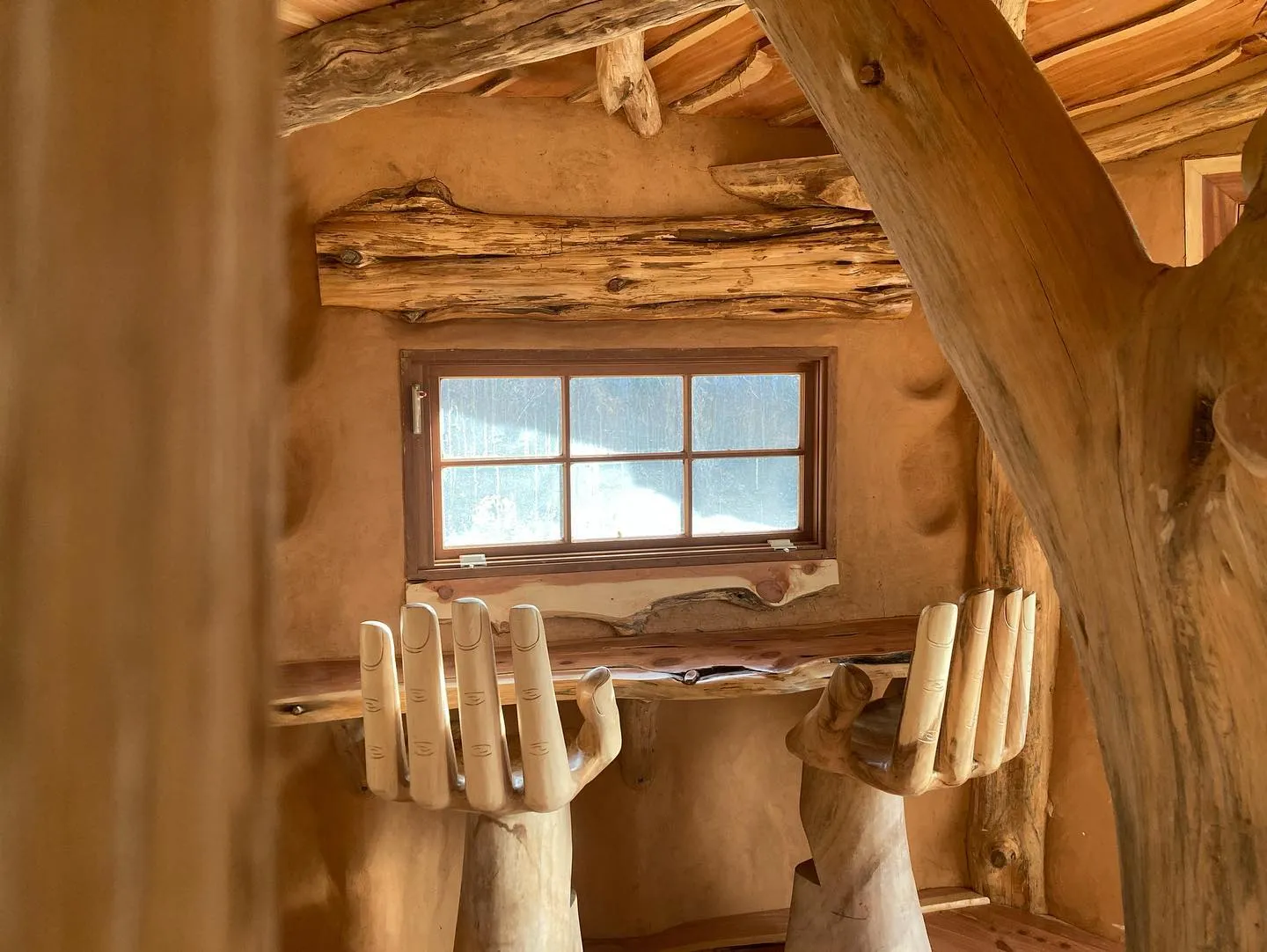
Interior of a Wattle and Daub home in Asheville by Sage Stoneman
Cob Building in Nubia: One of the Oldest Living Traditions on Earth
To understand why cob endures, it helps to look at where it has never stopped being used. In Nubia, the ancient region spanning southern Egypt and northern Sudan, earth building is not a revival. It has a continuous tradition stretching back thousands of years.
Nubian architecture is defined by its vaulted mud-brick ceilings, thick earthen walls, and brilliantly painted facades, a building culture so refined that it shaped the aesthetics of one of the ancient world’s greatest civilizations.
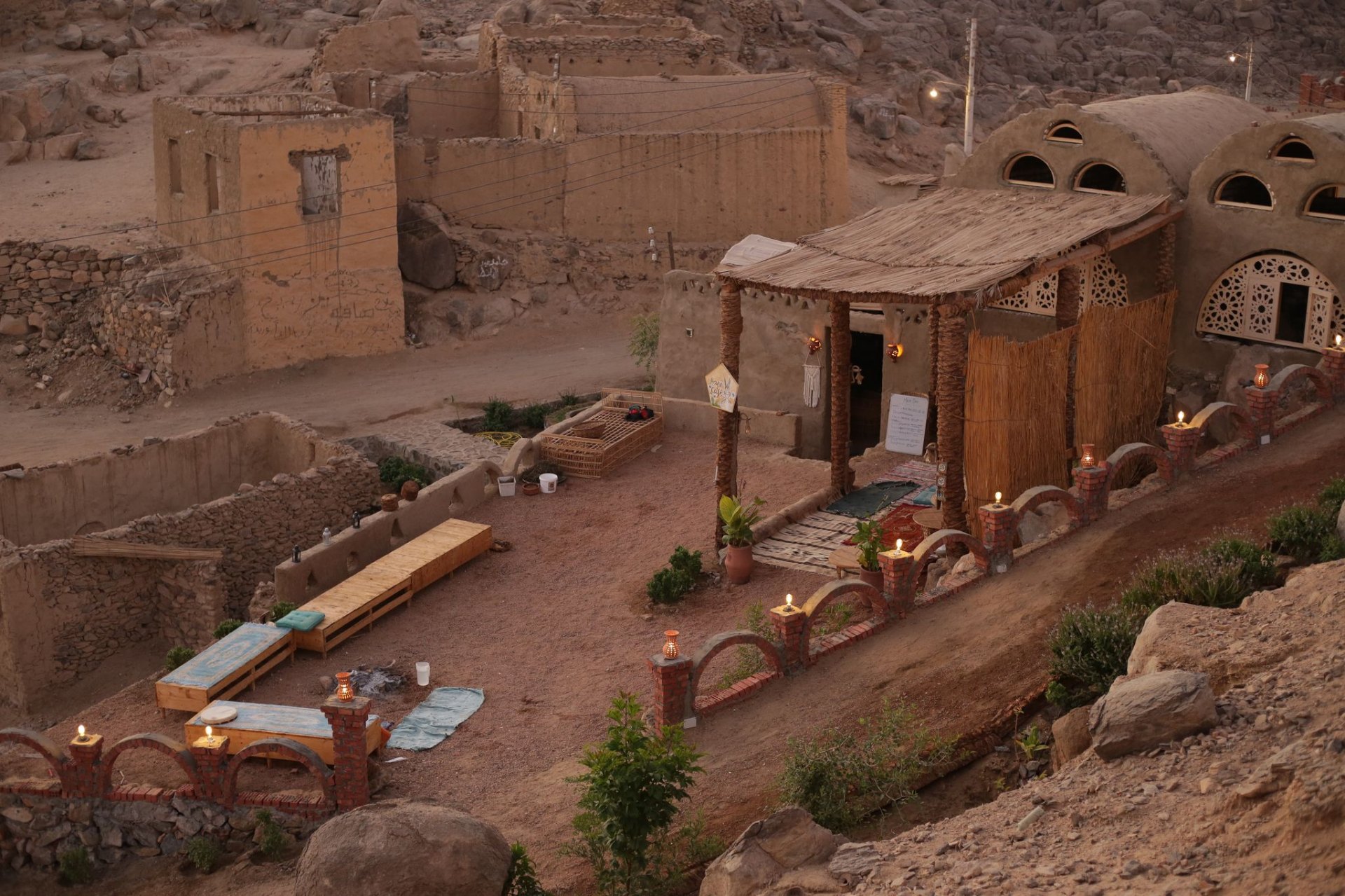
Nubian village using traditional building methods. Photo credit Bliss School
The climate logic is elegant. In one of the world’s hottest, driest environments, thick earthen walls keep interiors cool without mechanical cooling. The thermal mass absorbs the fierce desert heat during the day and radiates warmth through cool desert nights. It is passive comfort engineering, perfected over centuries without a single line of energy modeling software.
The Nubian tradition also speaks to cob’s relationship with place. There are many small islands in Nubia, and transporting materials is difficult. These buildings are made from the land they sit on, decorated with pigments found nearby, and shaped by the hands of the people who will live in them.
There is an intimacy in that connection that no manufactured building system can replicate. For those of us designing and building custom homes in Black Mountain and the broader Asheville region, Nubian earth architecture is a reminder that building with the earth is not primitive, and holds beauty, creativity, and inspiration.
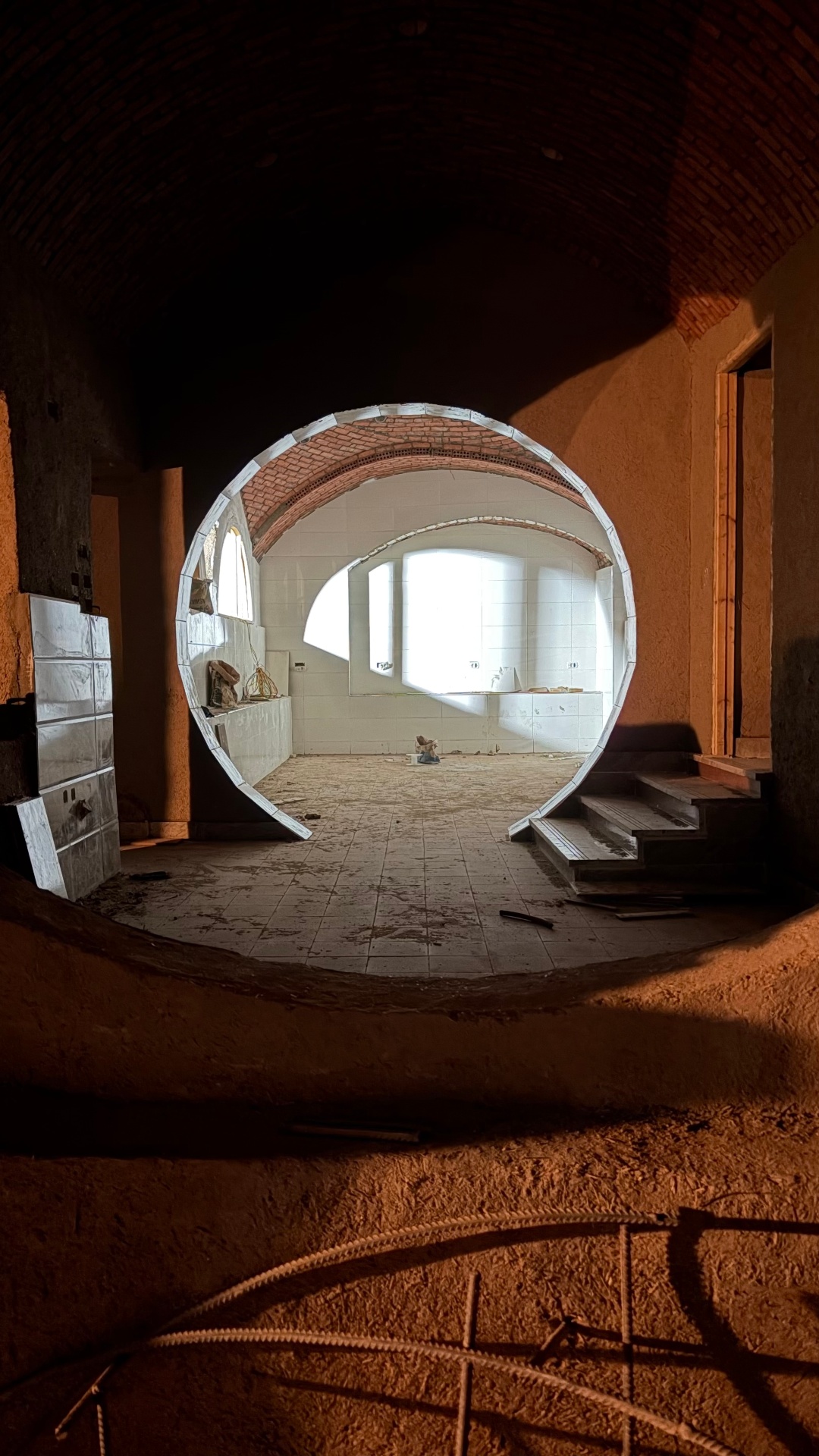
A restaurant under construction in Nubia uses modern tiles in combination with traditional brick and mud construction. Photo credit Bliss School
Why Natural Building Matters for Custom Homes in Black Mountain
Black Mountain and Asheville are filled with people who care for the environment, and who understand that natural building is not just good for the Earth, but also for their own wellbeing.
Sustainable homebuilding reduces toxin exposure, and improves resiliency. Building with passive solar reduces energy use, and keeps your home warm in winter, while cool in the summer. Solar panels provide electricity during storms and power outages.
Additionally, when we bring together natural building and design-build strategies it gets even better. When architects and builders work within the same team, those decisions get made together, early, before they become expensive problems. Our design-build process in Black Mountain means we can evaluate whether natural building elements are right for a given site, budget, and client goal, and then design and build them with full continuity from concept to completion.
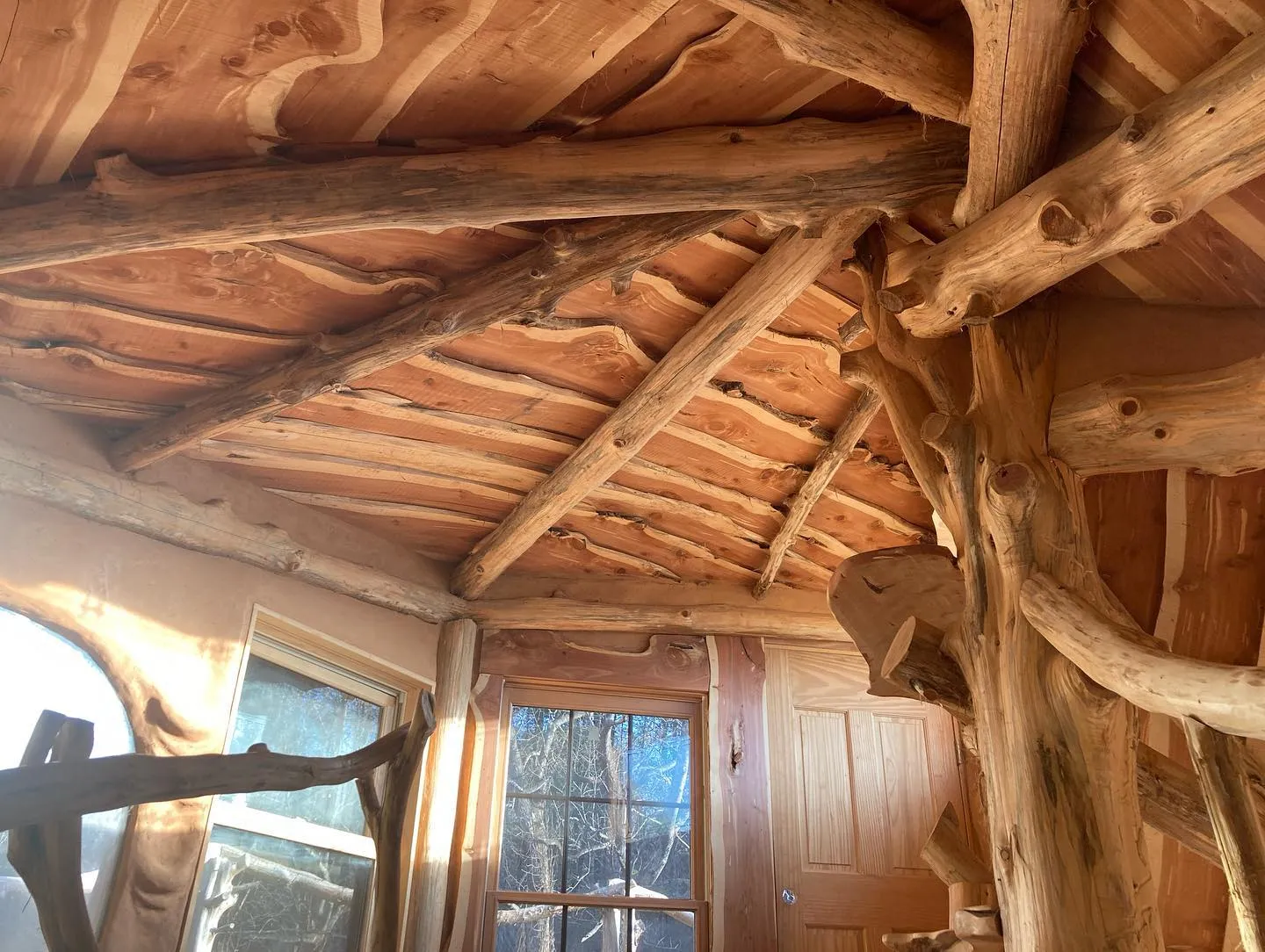
The interior of this home in Asheville by Sage Stoneman uses a cedar tree at its main pillar
In Summary
Cob building has a history measured in millennia, from the vaulted earthen homes of Nubia to the hand-built structures at EarthHaven Ecovillage in the mountains above Asheville. It is a tradition built on the same values we bring to every custom home in Black Mountain: honesty of materials, sensitivity to place, and buildings designed to last.
If you are curious about natural building as part of your custom home project in Black Mountain or Asheville, we would love to talk. Schedule your free consultation with Assembly AB today.
ASSEMBLY Architecture + Build, PLLC | 14 O’Henry Ave, Asheville NC 28801 | assemblyab.com

Ross Smith is both a licensed architect and contractor and founder of ASSEMBLY Architecture + Build. Ross received his degree in architecture from Yale University where he graduated with an award in design excellence. He now designs and builds sustainable, unique custom homes in Asheville, NC.

